

Cold room panel plays a vital role in large cold storage projects. Their quality directly affects insulation efficiency, energy consumption, and long-term operational stability. Poor panels can cause temperature fluctuations, higher electricity costs, and cargo losses. In serious cases, safety risks may also appear.
Control Raw Materials and Manufacturing Quality
High-quality raw materials form the foundation of reliable cold room panels. Procurement teams should first examine the insulation core material. Polyurethane foam and rock wool remain the most common options in industrial cold storage construction. Polyurethane usually offers lower thermal conductivity and stronger moisture resistance. Rock wool panels provide better fire resistance and stable performance in certain environments.
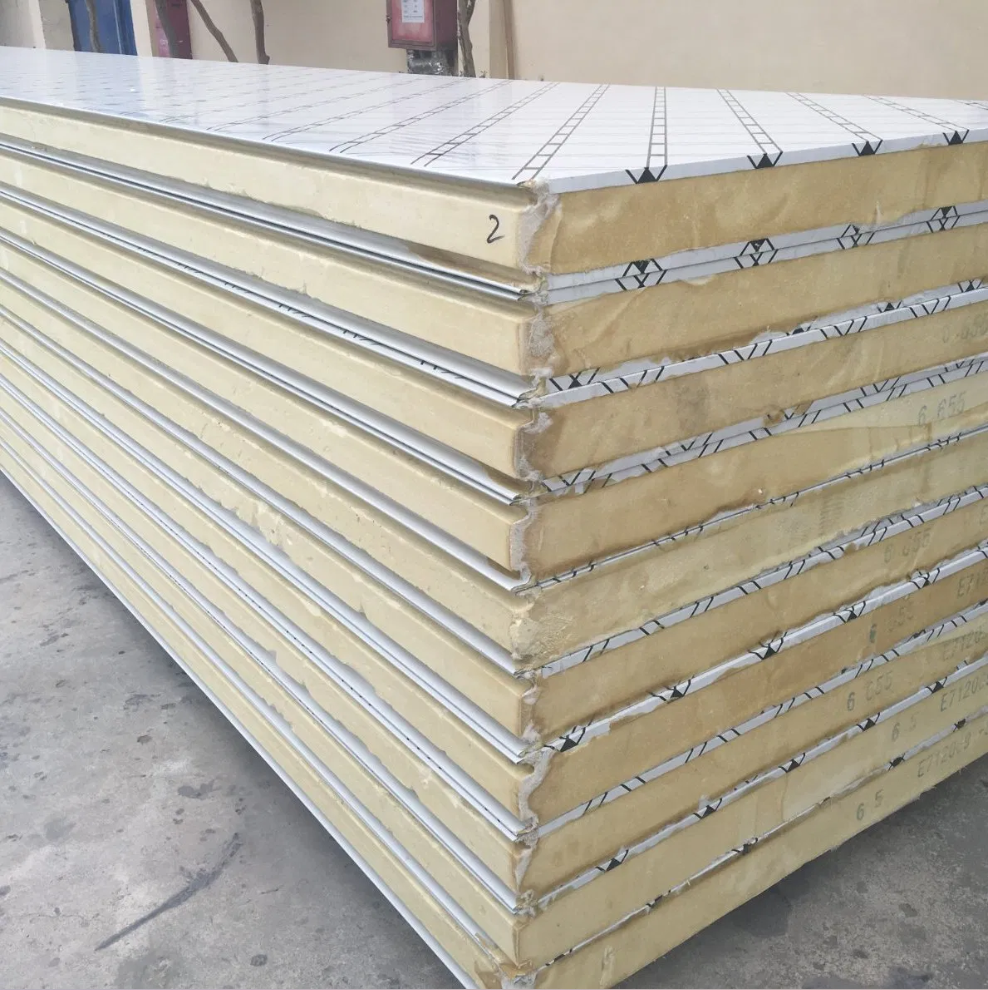
Material density and closed-cell rate determine insulation efficiency. High-density polyurethane cores normally deliver stronger structural strength and lower heat transfer. Inferior fillers may reduce manufacturing costs but often weaken insulation performance. Buyers should request technical documents and test reports from manufacturers before placing orders.
Manufacturing technology also influences panel quality. Modern factories rely on continuous production lines to control foaming, lamination, and cutting processes. Precise equipment ensures uniform panel thickness and stable bonding between metal skins and insulation cores. Consistency across each production batch helps prevent delamination and thermal leakage during long-term use.
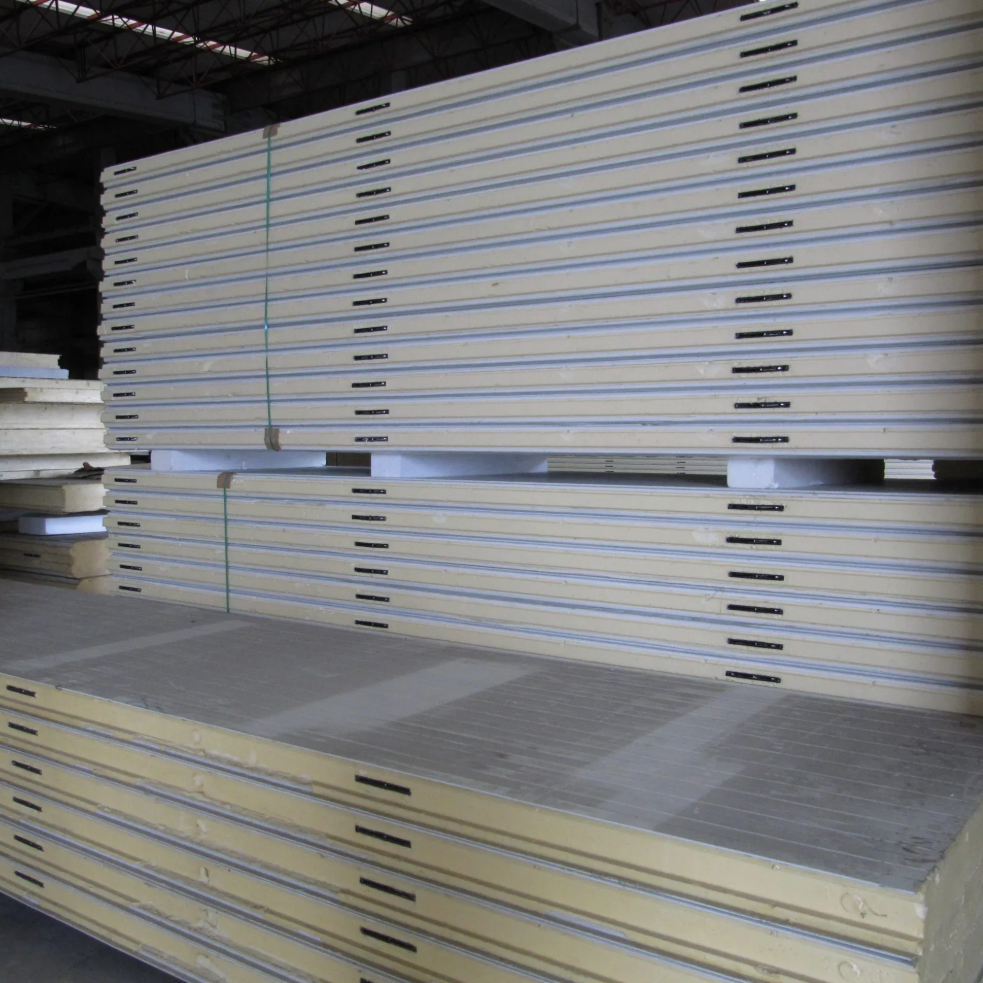
Professional manufacturers usually conduct strict quality inspections before shipment. These inspections check surface flatness, dimensional accuracy, and bonding strength. Reliable suppliers also maintain detailed production records and quality traceability systems.
When procurement teams evaluate suppliers, they should review factory capacity and production standards. A careful supplier selection process greatly reduces the risk of insulation failure and unexpected maintenance costs.
Scientific Panel Selection and Professional Installation
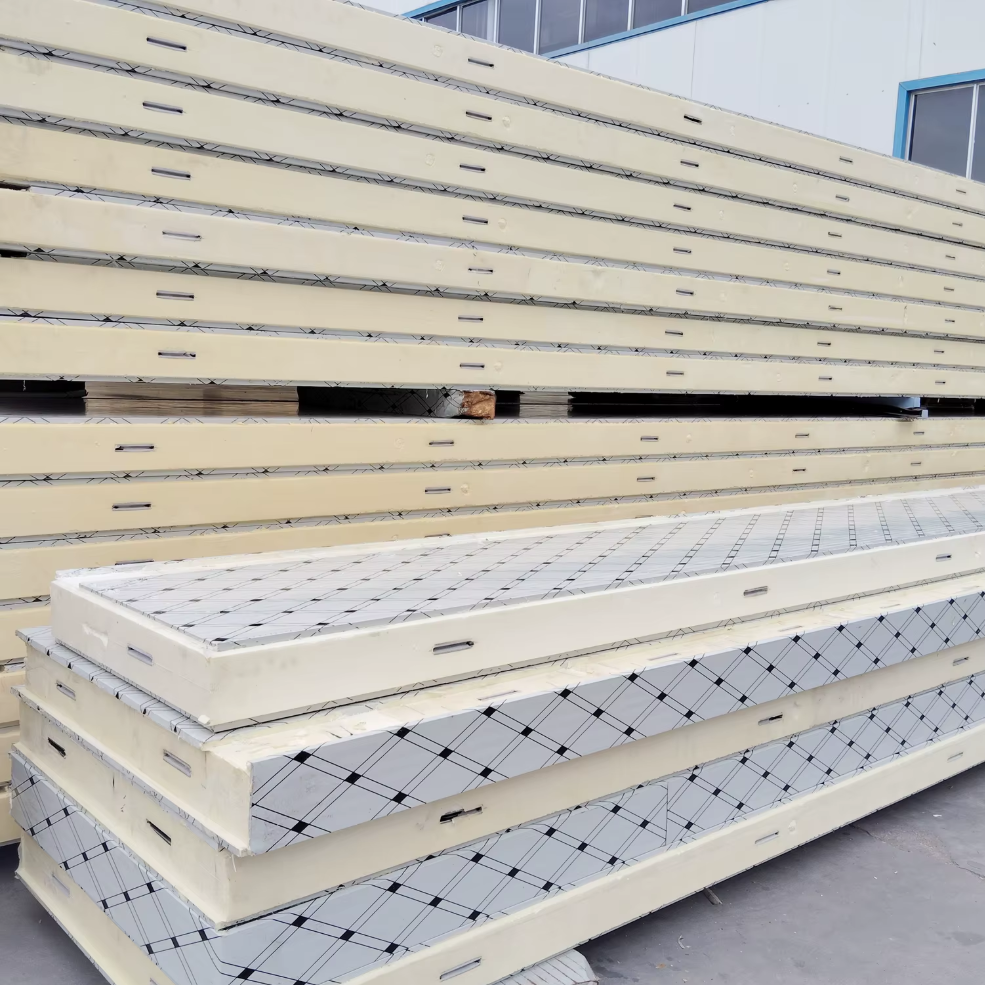
Choosing the correct cold room panel specification represents another critical step in risk prevention. Large cold storage facilities often operate under significant temperature differences and high humidity. Different functional zones may require different insulation standards. A well-designed selection strategy ensures long-term performance.
Low-temperature freezer rooms normally require polyurethane panels with excellent thermal insulation and moisture resistance. Their low thermal conductivity helps maintain stable internal temperatures while reducing energy consumption. Medium-temperature cold rooms may use rock wool panels when fire safety becomes a priority. Each material serves a specific operational environment.
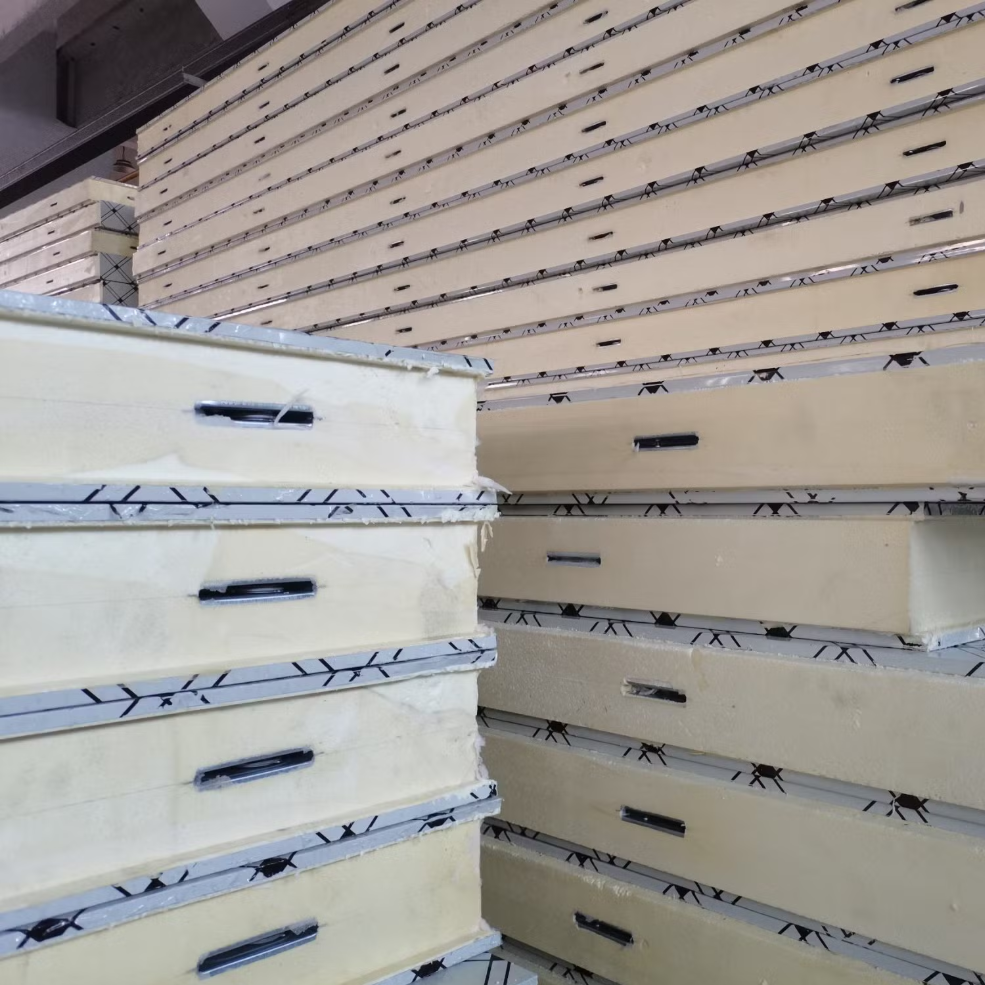
Panel thickness also requires careful evaluation. Thicker insulation panels usually provide better thermal performance in extremely low temperatures. However, excessive thickness may increase structural load and construction costs. Engineers often calculate optimal thickness according to storage temperature, building size, and climate conditions.
Installation quality strongly influences the final insulation performance. Improper installation can create cold bridges, condensation, and air leakage. Many modern cold room panels adopt tongue-and-groove connection structures. This design improves panel alignment and enhances sealing performance between joints.
Double sealing systems also help prevent moisture penetration and cold air leakage. Installers should apply sealing materials carefully and follow precise joint spacing guidelines.
Regular Inspection and Long-Term Maintenance
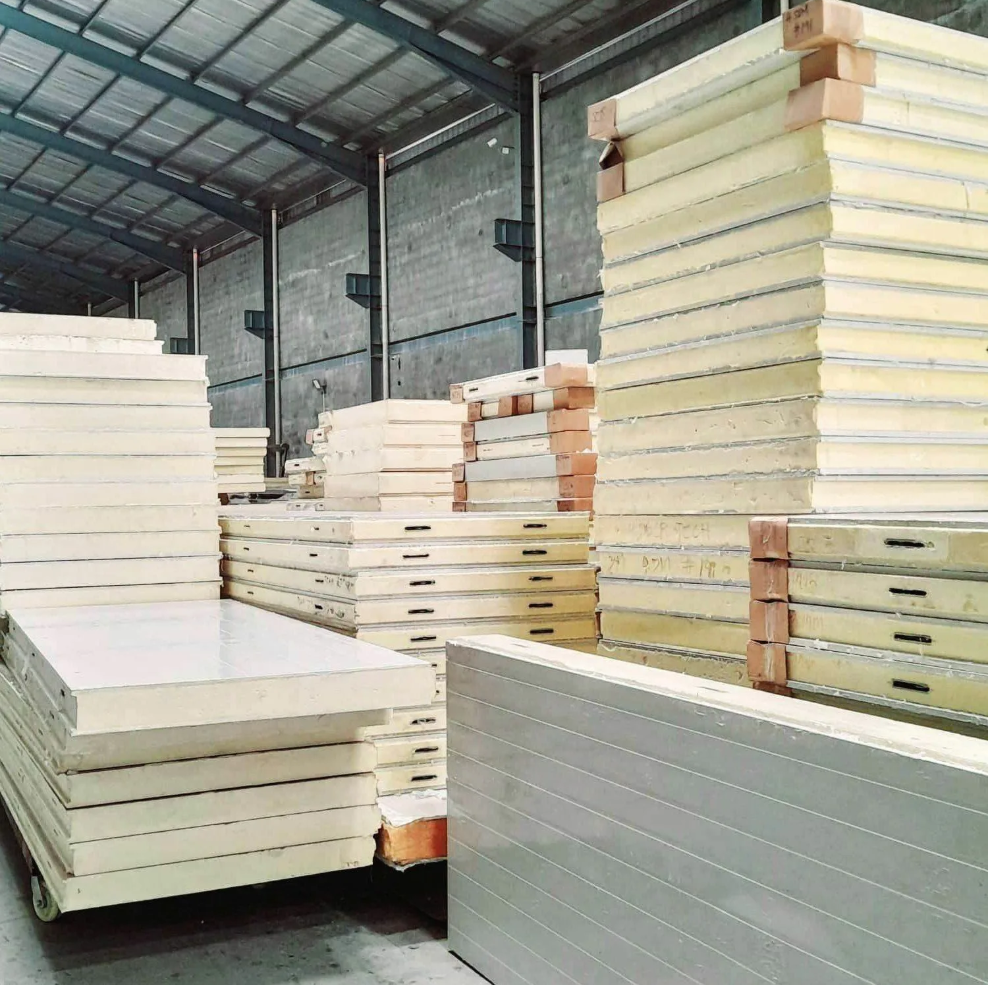
Quality control does not end after installation. Cold room panels require periodic inspection and maintenance to maintain stable performance. Facility managers should check panel surfaces, joints, and sealing materials at regular intervals.
Surface damage, corrosion, or aging sealant may weaken insulation and allow cold air leakage. Early detection allows quick repairs and prevents larger failures. Maintenance teams should also monitor potential thermal bridges and bonding issues.
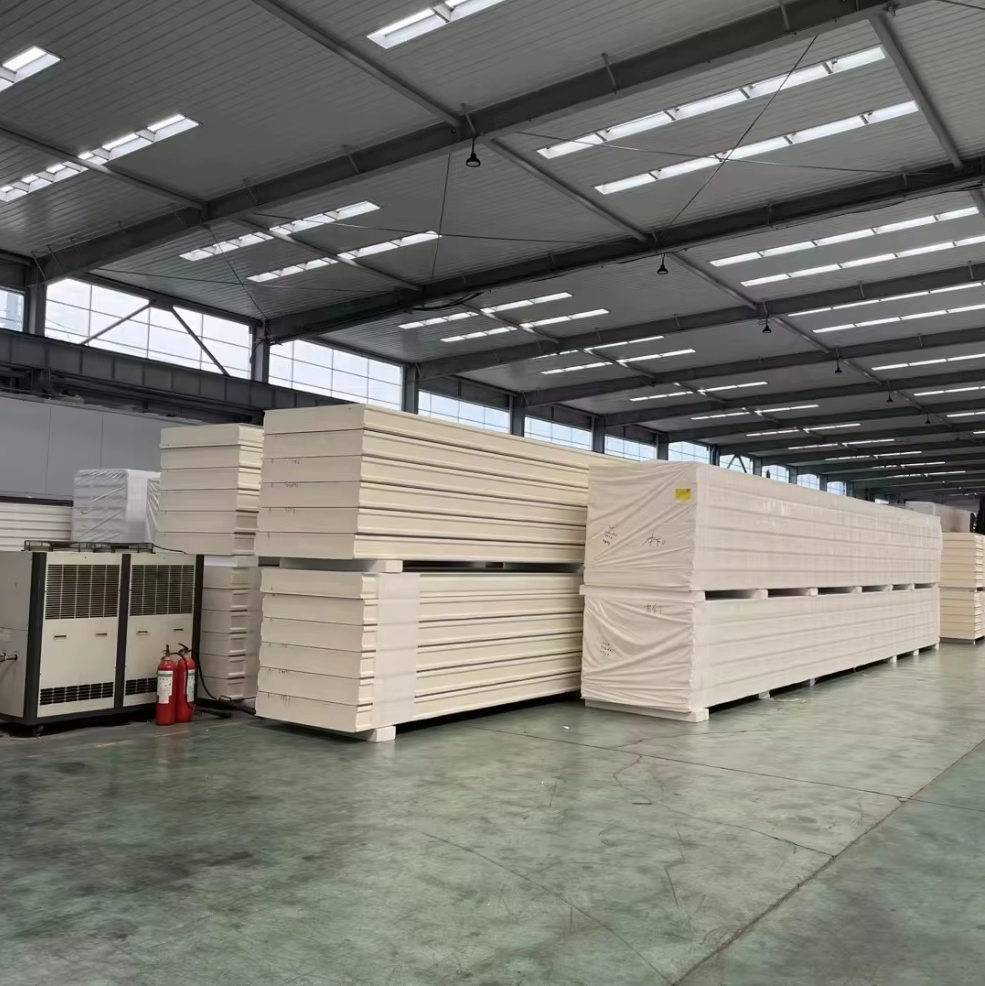
Many large cold storage operators establish routine inspection programs. These programs include visual checks, thermal imaging, and maintenance documentation. Preventive maintenance helps extend the service life of cold room panels while protecting stored goods.
Quality control for cold room panels involves the entire project lifecycle. Raw material selection, manufacturing standards, panel specification, installation accuracy, and long-term maintenance all influence performance. When these factors receive careful attention, cold storage projects gain reliable insulation systems and lower operating costs.
Post time: Mar-06-2026