

Cold room panel installation problems often begin before the panels reach the construction site. A damaged edge, a wet insulation core, or a deformed panel may look like a small transportation issue. However, once installation starts, these small problems can create delays, additional labor costs, and unnecessary material waste. For overseas cold storage projects, protecting panels during transportation and handling is not only a logistics task. It is an important part of ensuring smooth installation.
Small Damage Can Create Big Problems on Site
In many cold storage projects, the installation schedule is carefully planned around equipment installation, electrical work, and final commissioning. When cold room panel materials arrive with unexpected damage, the impact is usually larger than the original problem.
One common issue is edge damage. During loading, unloading, or long-distance transportation, panel corners can be hit or compressed. Even small deformation can make panel joints difficult to align. Installation teams may need to cut, adjust, or replace damaged sections, which increases both labor time and material consumption.
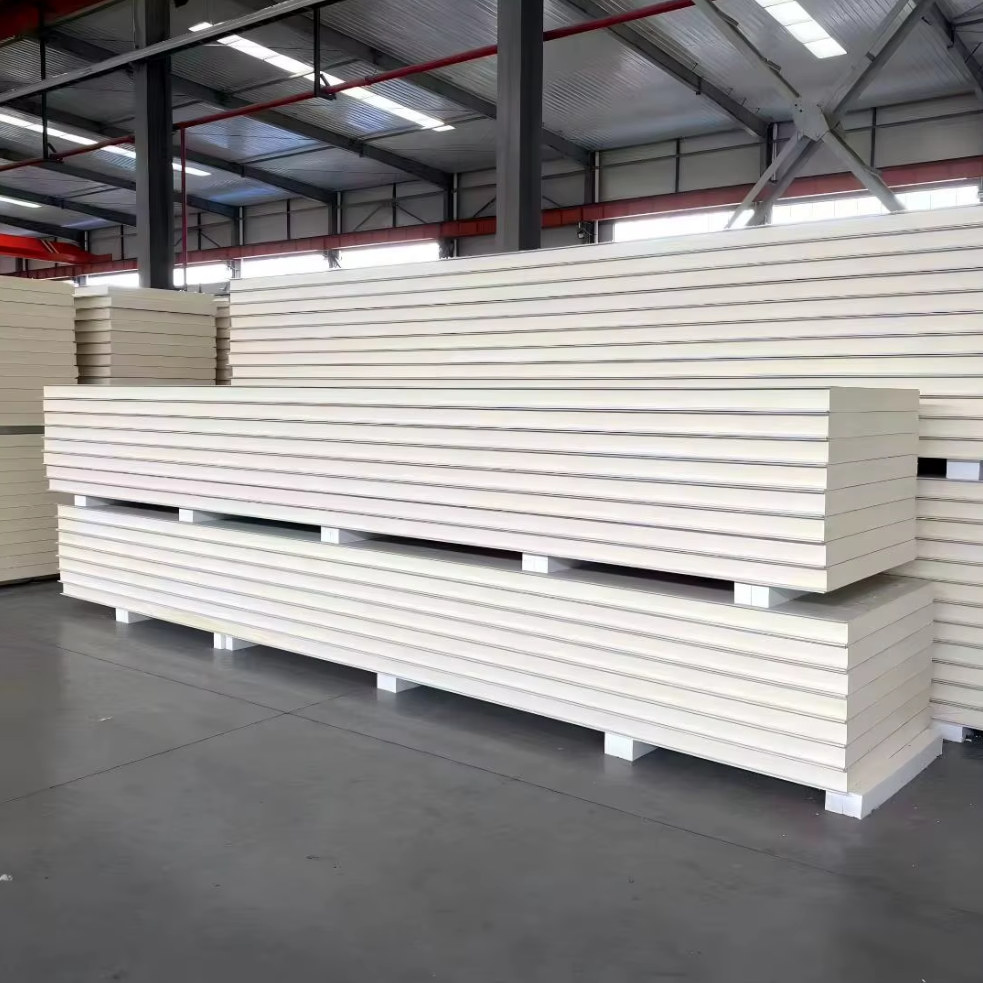
Moisture protection is another challenge, especially for overseas shipments. Cold storage projects often involve long transportation distances, sea freight, and temporary outdoor storage before installation. If packaging does not provide enough protection against rain and humidity, moisture can affect the insulation layer and create quality risks during later use.
These problems are easy to underestimate because they happen before construction begins. The panels may leave the factory in good condition, but the final installation quality depends on whether they arrive at the site ready for assembly.
For a cold chain warehouse or other temperature-controlled facility, installation efficiency matters. Delays caused by damaged panels can affect refrigeration system installation and extend the time before the facility becomes operational.
Packaging Is Part of the Construction Plan
When discussing cold room panel quality, many people focus on insulation performance, surface materials, or production standards. These factors are important, but transportation protection also plays a major role in the final result.
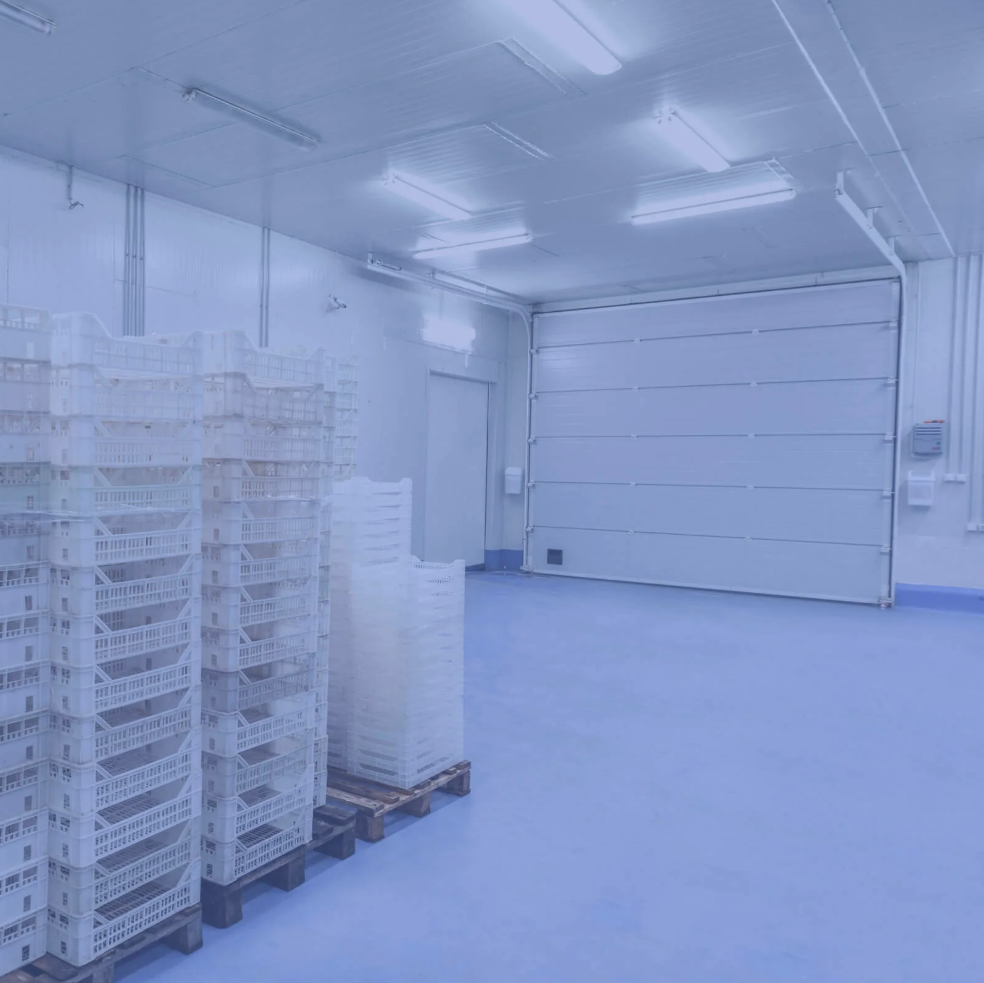
A good packaging solution should consider the entire journey of the panels. The panels may experience lifting, stacking pressure, vibration during transportation, humidity changes, and temporary storage conditions before installation.
For example, a PU sandwich panel has good thermal insulation performance, but its lightweight structure also requires careful protection during handling. The panel surface and edges need protection because damage in these areas directly affects installation accuracy.
A practical packaging system does not need to be complicated. The key is protecting the vulnerable areas that are most likely to cause problems. Reinforced corners, stable support structures, and waterproof protection can reduce unnecessary repairs after arrival.
This approach changes the role of packaging. It is no longer just a method to make transportation easier. It becomes part of the construction preparation process, helping the installation team receive materials that are closer to their final working condition.
Lessons from the Belgium Mining Project
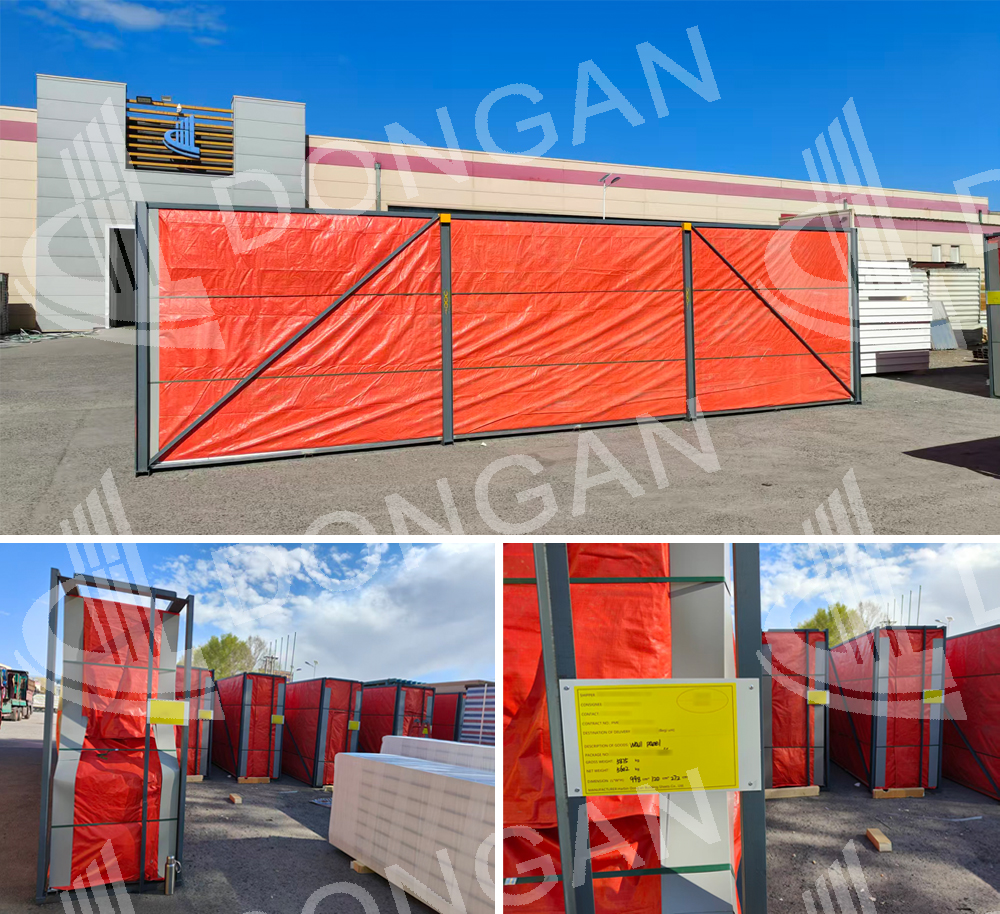
This idea was applied during DongAn’s mining project in Belgium, where large quantities of building panels needed to be transported for an overseas industrial application. The project faced typical international shipping challenges, including long-distance transportation and the need to protect panels before installation in a demanding environment.
Instead of using simple wrapping methods, the packaging design focused on preventing damage throughout the transportation process. A steel frame structure was used to provide overall support and reduce pressure on the panels during handling. At the same time, lightweight angle iron was added around the corners to protect vulnerable edges from impact.
The panels were also covered with multiple layers of waterproof and moisture-resistant tarpaulin. This additional protection helped reduce exposure to rain and humidity during transportation and temporary storage.
The value of this solution was not only keeping the materials clean during shipping. More importantly, it reduced the possibility of installation problems after arrival. The construction team could spend more time installing panels and less time repairing damaged sections or adjusting materials.
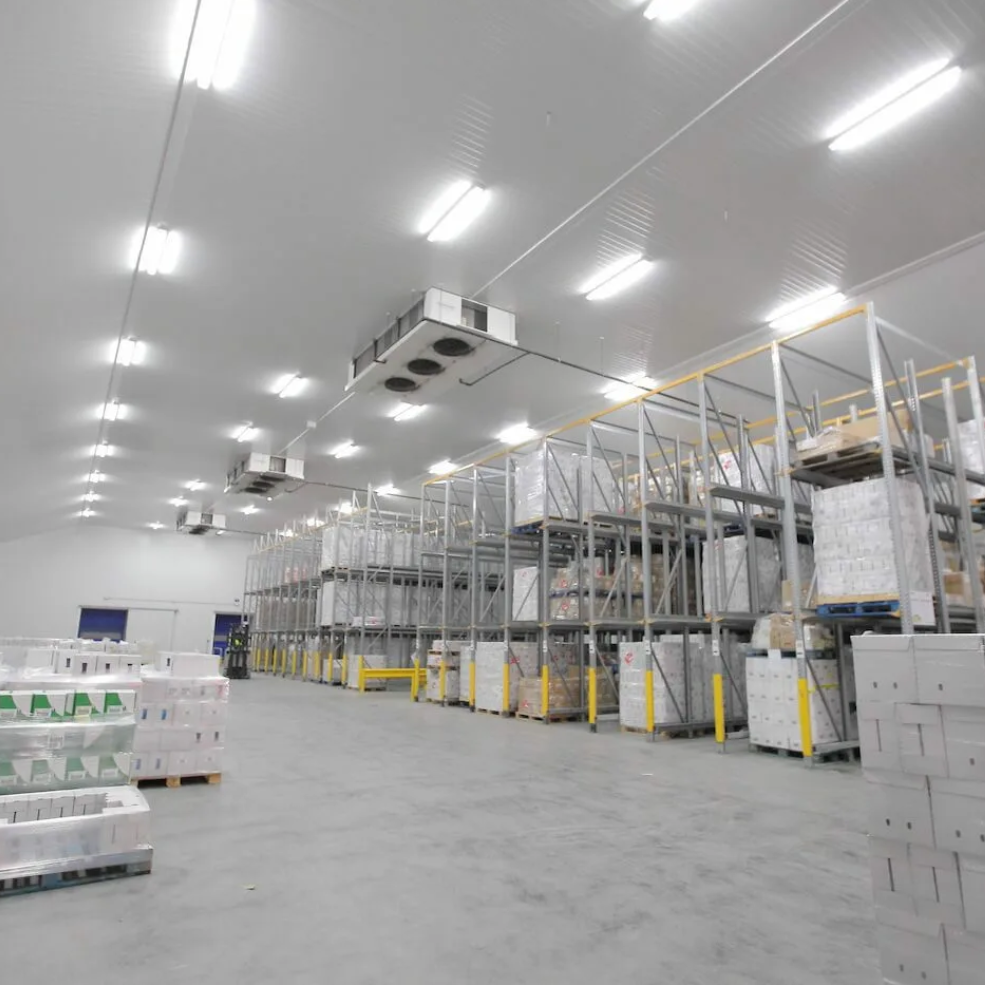
The same principle applies to many overseas cold storage projects. Whether the destination is a remote industrial area or a developing market, transportation conditions are often outside the control of the installation team. Preparing for these challenges before shipment creates a more predictable construction process.
Reducing Problems Before They Reach the Site
Every cold room panel project has different transportation routes, climates, and installation conditions. There is no single packaging method that works for every situation. However, protecting panels before shipment is often much easier and less expensive than solving damage problems after delivery.
For projects involving cold storage facilities, cold chain warehouses, or industrial temperature-controlled buildings, packaging decisions deserve attention during the planning stage. Material protection, transportation methods, and site handling conditions should be considered together.
A successful overseas project is not only about producing qualified panels. It is also about making sure those panels arrive in a condition that allows the construction team to install them efficiently and confidently. Small decisions before shipment can prevent much larger problems during installation.
Post time: Jul-14-2026