

Chilled rooms and freezer rooms are two fundamental cold storage solutions in modern supply chains. While both rely on refrigeration technology, they serve very different purposes and require distinct design, operation, and investment strategies.
Temperature Range and Storage Objectives
The most direct difference between a chilled room and a freezer room is the operating temperature range. A chilled room typically maintains temperatures between 0 °C and 5 °C. This range slows microbial growth and enzymatic activity without freezing the stored products. As a result, chilled rooms help preserve freshness, color, texture, and nutritional value. They are commonly used for fresh produce, dairy products, beverages, flowers, and certain medicines that require cool but stable conditions.
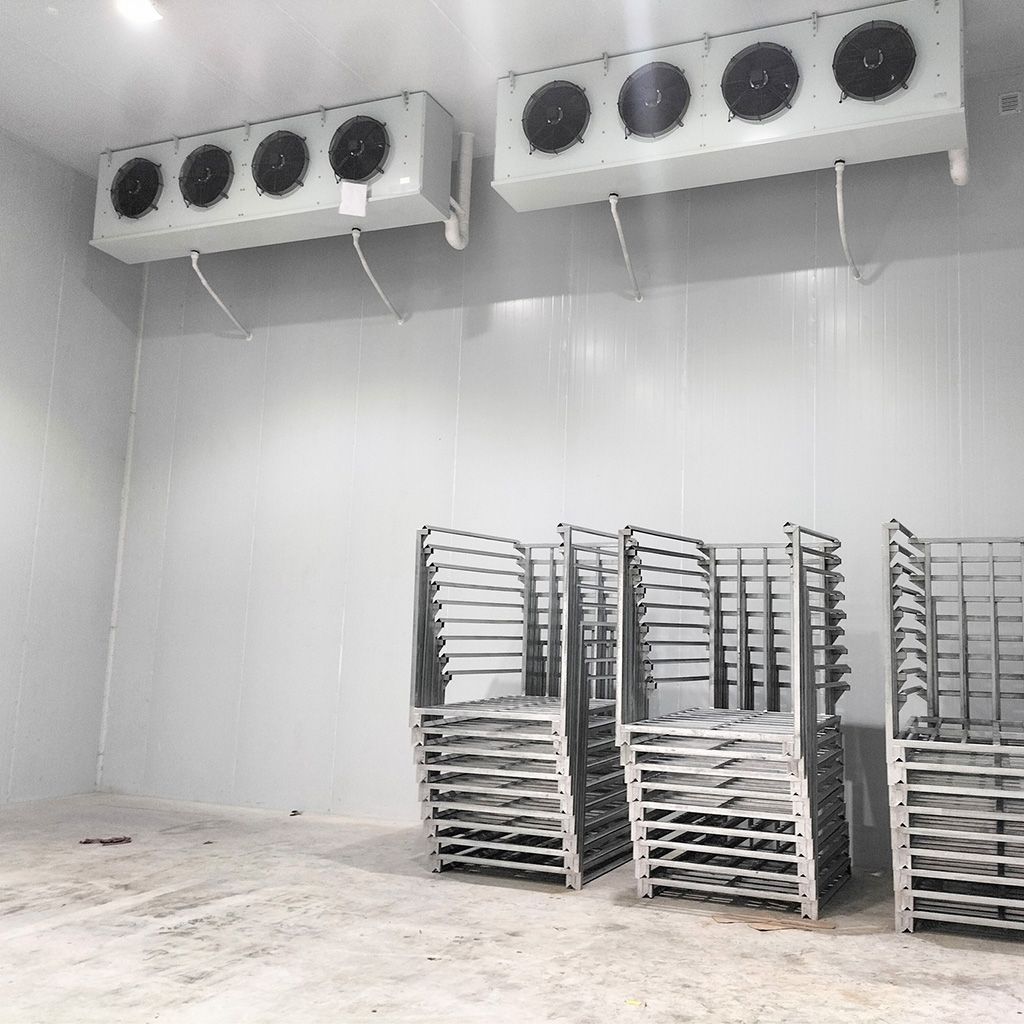
A freezer room operates at significantly lower temperatures, usually between −18 °C and −25 °C. At these levels, biological activity nearly stops, allowing products to remain safe and stable for long periods. Freezer rooms are essential for frozen meat, seafood, poultry, ice cream, and processed foods. They are also used in pharmaceutical and biochemical industries where long-term preservation is critical. Because freezing changes product structure, freezer rooms are designed for storage rather than frequent handling or immediate sale.
In addition, in terms of storage conditions, cold storage has more requirements. Sometimes cold storage needs to store products such as fruits, flowers, and vegetables. While ensuring low temperature, the cold storage should also maintain the humidity of the internal air to avoid the loss of fruits or vegetables due to moisture loss. Therefore, many cold warehouses will set up additional humidifiers or gas regulators.
Structural Design and Insulation Systems
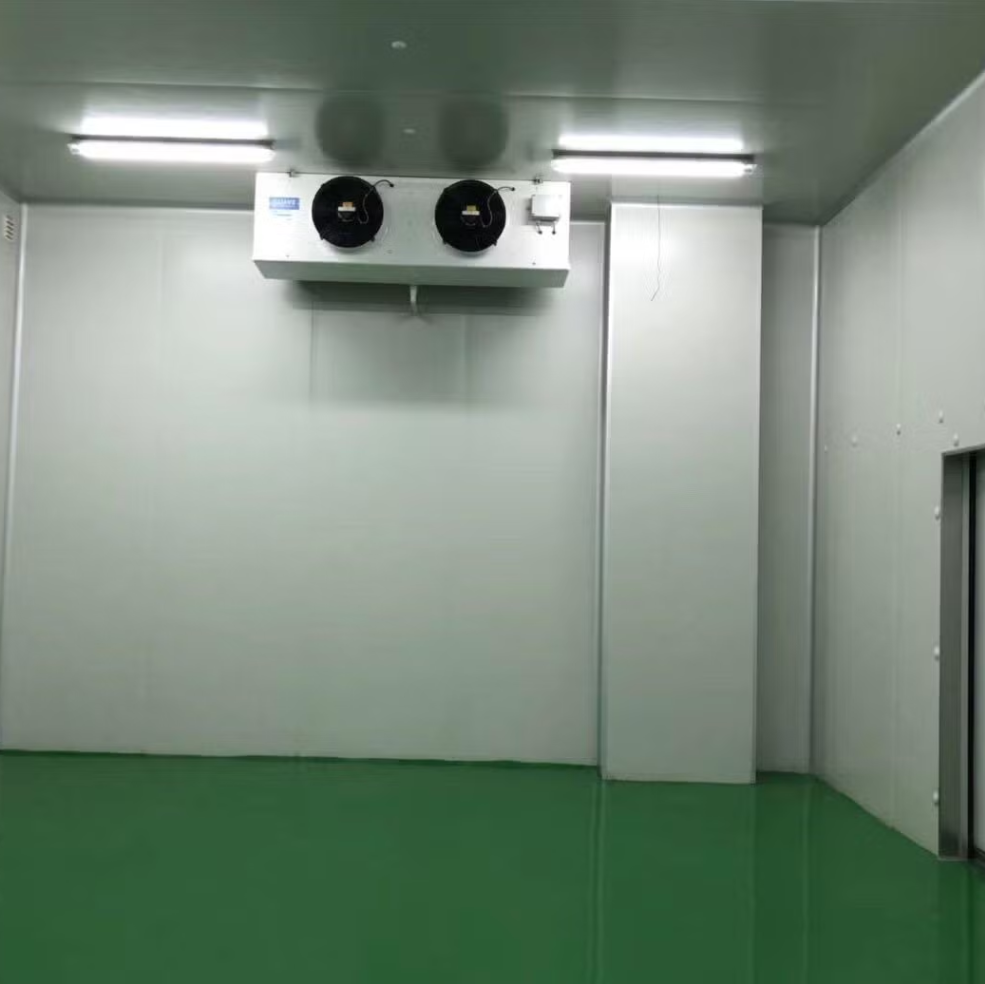
Chilled rooms and freezer rooms differ greatly in structural design. Chilled rooms face a smaller temperature difference between indoor and outdoor environments. For this reason, they require moderate insulation thickness and simpler vapor barrier systems. Standard insulated panels, well-sealed doors, and reliable temperature control systems are usually sufficient. Moisture control is easier, and frost accumulation remains limited during normal operation.
Freezer rooms demand more advanced structural solutions. They require thicker insulation panels to reduce heat transfer and prevent energy loss. Floor insulation becomes especially important, as low temperatures can freeze moisture in the ground and cause frost heave. To avoid structural damage, designers often install underfloor insulation layers or electric heating systems. Door systems must be airtight and may include heated frames to prevent ice buildup. These features increase construction complexity but ensure stable performance over long operating cycles.
Refrigeration Systems and Energy Consumption
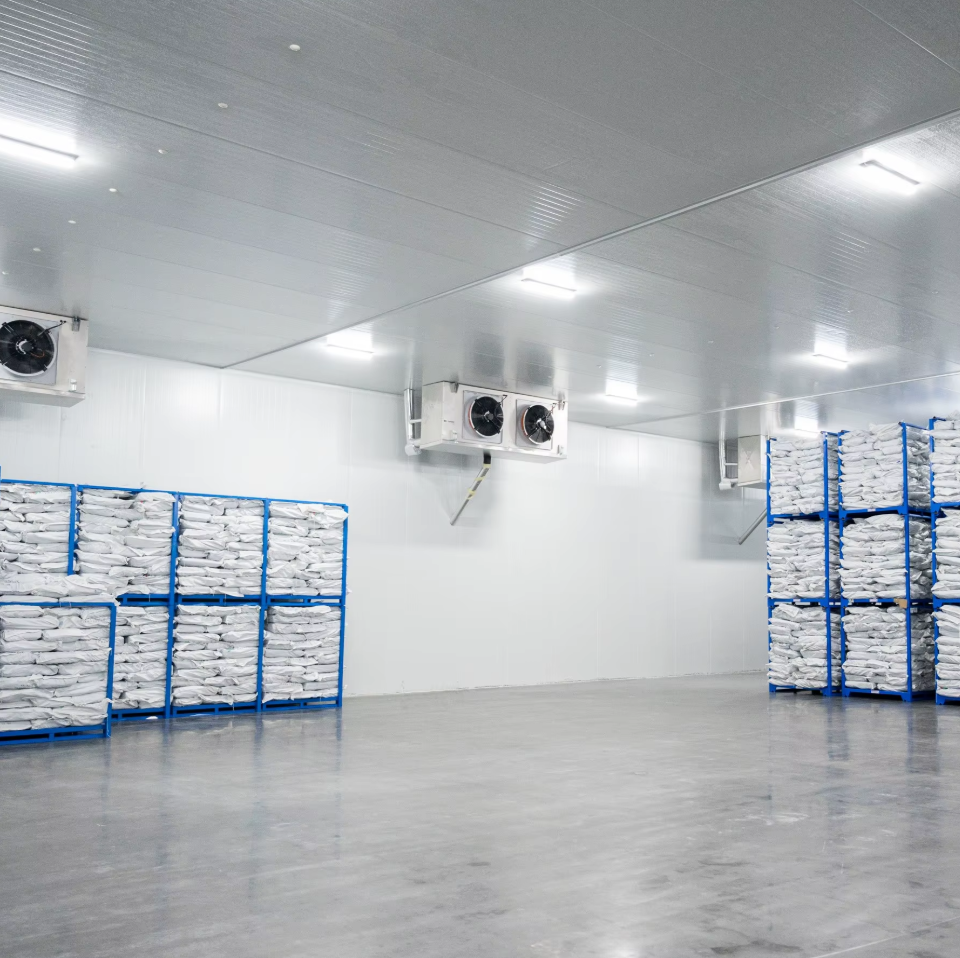
Energy usage represents another key distinction. Chilled rooms consume less electricity because they operate at higher temperatures. Refrigeration units experience lower thermal stress, compressors run fewer hours, and defrost cycles occur less often. This results in lower operating costs and simpler maintenance routines. Chilled rooms are ideal for businesses that require frequent access and rapid product turnover.
Freezer rooms consume substantially more energy. Maintaining subzero temperatures requires powerful refrigeration systems that operate continuously. Defrosting becomes a routine necessity to prevent ice accumulation on evaporators. Specialized lubricants, low-temperature components, and backup systems further increase energy demand. Although modern high-efficiency compressors and intelligent control systems can reduce consumption, freezer rooms still involve higher long-term operating costs. Companies accept these costs when extended shelf life and inventory security are essential.
Application Scenarios and Selection Criteria
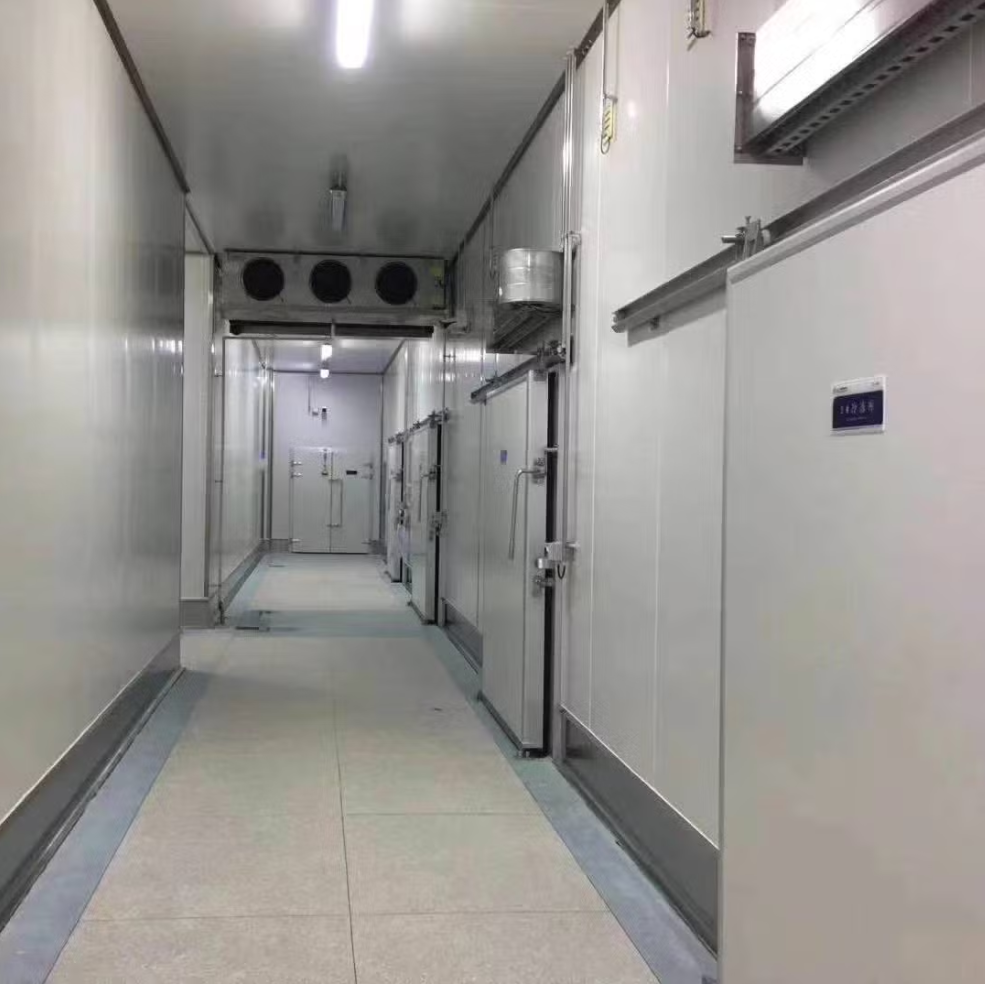
The choice between a chilled room and a freezer room depends on product type, storage duration, and business strategy. Chilled rooms suit companies focused on freshness, daily distribution, and short storage cycles. Supermarkets, catering services, and fresh food distribution centers rely heavily on chilled storage.
Freezer rooms serve producers and exporters that need long-term storage and supply stability. Frozen food manufacturers, meat processors, and seafood exporters depend on freezer rooms to balance seasonal production and global logistics. Many modern facilities combine both solutions, using chilled rooms for pre-cooling and sorting, and freezer rooms for final long-term storage.
Chilled rooms and freezer rooms meet different storage needs through distinct temperatures, designs, and costs. Understanding these differences helps businesses choose efficient cold storage solutions and build reliable, high-performance cold chain systems.
Post time: Feb-24-2026