

Building envelope performance often determines how long an industrial building stays reliable, even when its steel frame remains structurally sound. Roof leaks, corrosion, coating failure, and insulation damage rarely happen overnight. Instead, they develop slowly because the enclosure system was not designed for the environment it would face every day. For overseas industrial projects, durability is not simply about choosing stronger materials. It begins with understanding how the surrounding environment affects the building long before the first sandwich panel is installed.
Durability Problems Usually Start with the Wrong Assumptions
Many industrial buildings perform well during their first few years but require major repairs much sooner than expected. The reason is often simple: the building envelope was selected according to general specifications instead of actual operating conditions.
External weather is only part of the challenge. Coastal locations expose buildings to humid air, salt, and intense ultraviolet radiation. Cold regions create repeated freeze-thaw cycles, heavy snow loads, and large temperature differences between indoor and outdoor spaces. At the same time, many factories generate their own harsh environments. Cement plants release alkaline dust that gradually wears down protective coatings. Food processing and alcohol production facilities often operate with high humidity, increasing the risk of condensation and long-term corrosion.
When these conditions receive too little attention during the design stage, maintenance problems usually appear much earlier than expected. Replacing damaged panels or repairing roof leaks after production has started is far more disruptive than selecting the right enclosure system from the beginning.
The Environment Should Guide Material Selection
Improving durability is rarely about choosing the most expensive material. It is about matching the building envelope to the environment it must withstand over many years.
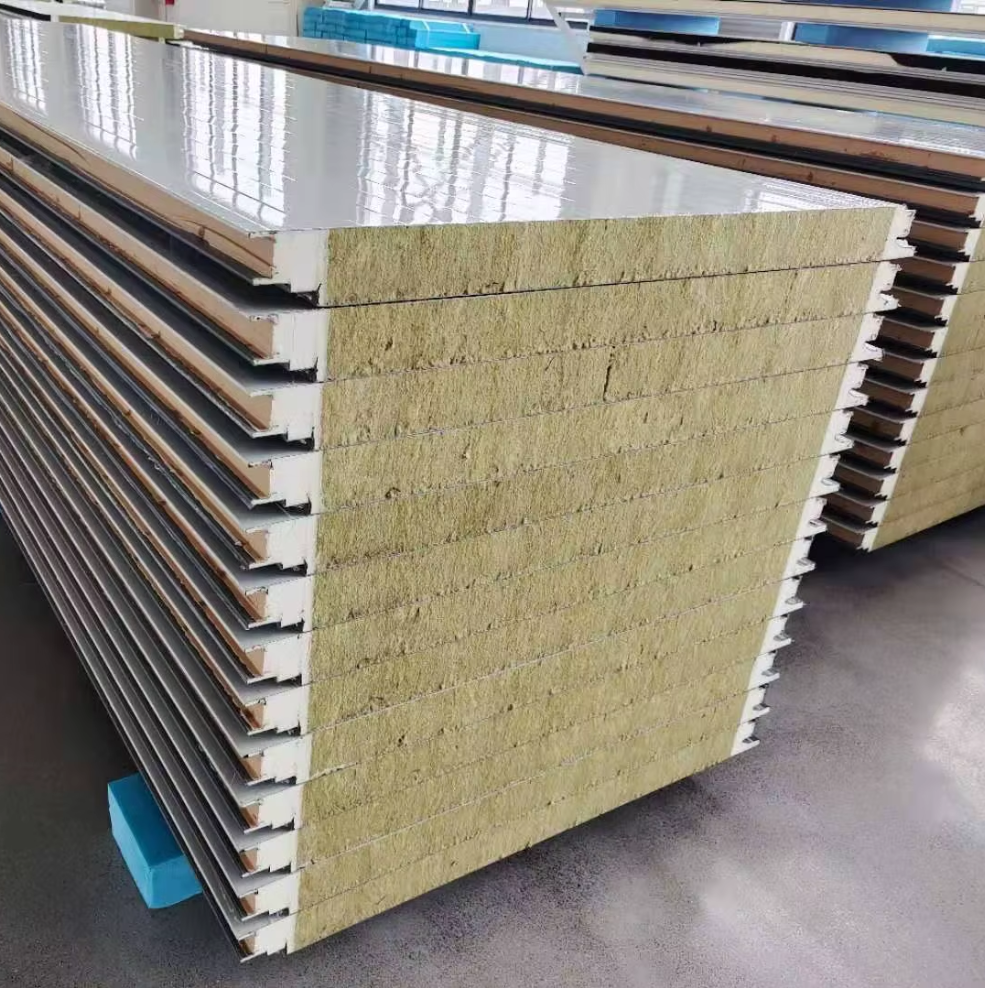
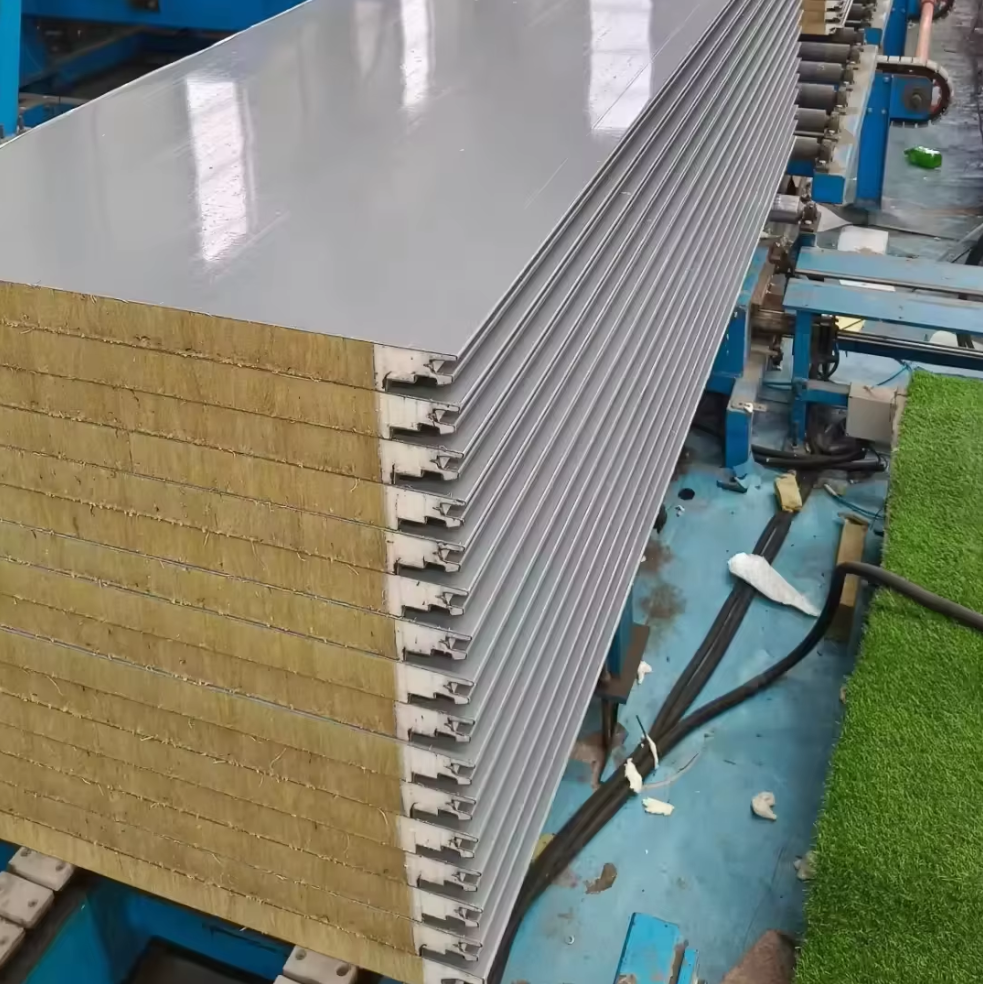
In highly corrosive industrial environments, surface protection often matters as much as structural strength. A rock wool sandwich wall panel with an appropriate coating system can provide reliable fire resistance while helping resist chemical exposure and moisture. Roof systems also deserve careful attention because they experience continuous sunlight, rainfall, wind pressure, and thermal movement. Selecting a suitable sandwich roofing panel, together with well-designed joints and waterproof detailing, can significantly reduce future maintenance.
Climate should influence structural decisions as well. Buildings in tropical coastal regions must resist moisture and salt exposure every day. Facilities in northern climates face completely different challenges, including heavy snow loads, strong winds, and frequent expansion and contraction caused by large temperature differences.
The same enclosure solution rarely performs equally well in both environments. Understanding these differences early allows designers to avoid maintenance issues that may not become visible until years after construction.
Two Projects That Faced Very Different Conditions
Two overseas projects illustrate why environmental conditions should shape enclosure decisions instead of standard specifications.
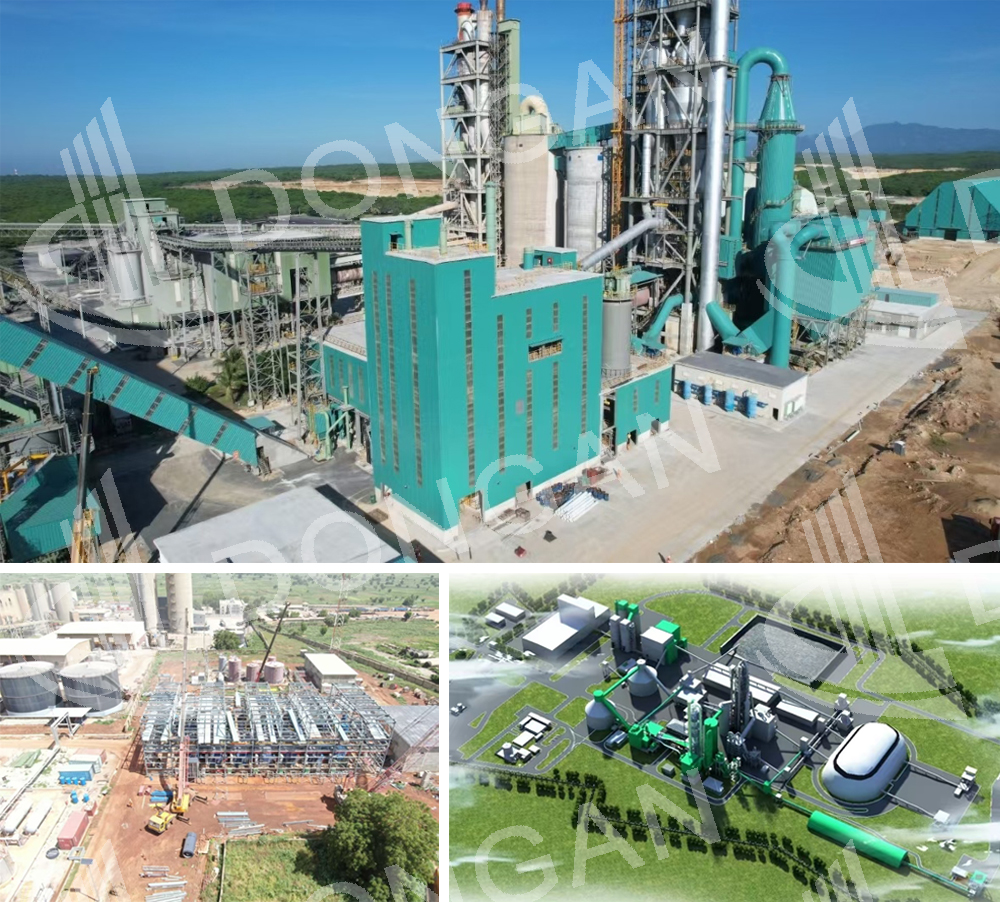
During the renovation of a cement plant in the Dominican Republic, the project faced both internal and external durability challenges. The site is located in a tropical coastal region where high humidity, salt-laden air, and strong sunlight place continuous pressure on exterior materials. Inside the facility, cement dust created an additional corrosive environment that demanded long-term protection. Rather than focusing only on replacing aging panels, the project selected enclosure materials that could better withstand both the industrial atmosphere and the local climate.
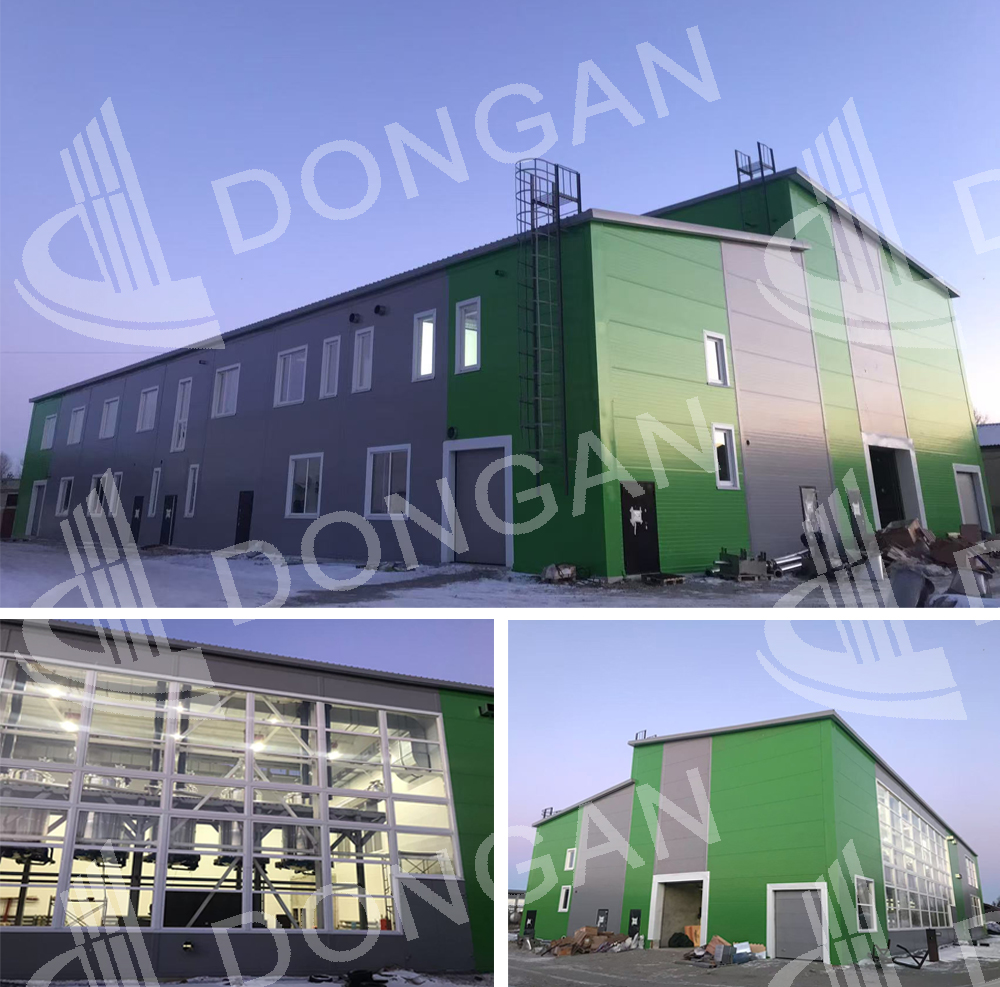
A very different situation appeared at DongAn’s alcohol plant project in Blagoveshchensk, Russia. Here, the main concern was not tropical corrosion but an extremely cold environment. Heavy snow loads, strong seasonal winds, and significant indoor-outdoor temperature differences increased the importance of thermal performance, structural stability, and moisture control. The enclosure system had to support the steel structure while reducing the risk of condensation and maintaining reliable insulation throughout long winters.
Although these two projects operated in completely different climates, they shared the same principle. The design did not begin by asking which panel was the strongest. It began by asking which environmental risks would affect the building throughout its service life.
Durability Begins Before Construction
Every industrial facility operates in a unique environment. A warehouse near the coast faces different challenges from a workshop in a cold inland region, and both differ from buildings with highly corrosive production processes. Because of this, improving durability starts long before materials arrive on site.
The most reliable projects evaluate climate, operating conditions, maintenance requirements, and expected service life together before selecting the building envelope. That process often has a greater impact on long-term performance than simply choosing thicker panels or stronger coatings after problems appear.
For projects moving through design or supplier evaluation, discussing environmental conditions at an early stage often leads to better decisions and fewer surprises years later. A durable industrial building is not created by one material alone. It comes from matching the enclosure system to the environment where it will perform every day.
Post time: Jul-14-2026