

Steel structures are widely used in modern buildings, bridges, and industrial plants because of their high strength, low self-weight, and short construction cycles. Compared with traditional concrete structures, steel structures allow larger spans, more flexible architectural forms, and faster project delivery. These advantages make steel an ideal material for large public buildings, logistics facilities, and industrial workshops. However, steel is also highly sensitive to electrochemical corrosion when exposed to natural environments. Moisture, oxygen, salt, and industrial pollutants can quickly trigger corrosion reactions. Corrosion not only affects the appearance of a structure but also reduces the effective cross section of steel members. Over time, this process directly threatens structural safety and long-term durability. For this reason, scientific rust removal and anti-corrosion treatment are critical steps in steel structure engineering.
Surface Preparation: The Foundation of Anti-Corrosion Protection
Surface rust removal is the first and most important step in any corrosion protection system. Its quality directly determines the adhesion and service life of subsequent coatings. If rust, mill scale, or oil remains on the steel surface, even the best coating system will fail prematurely.
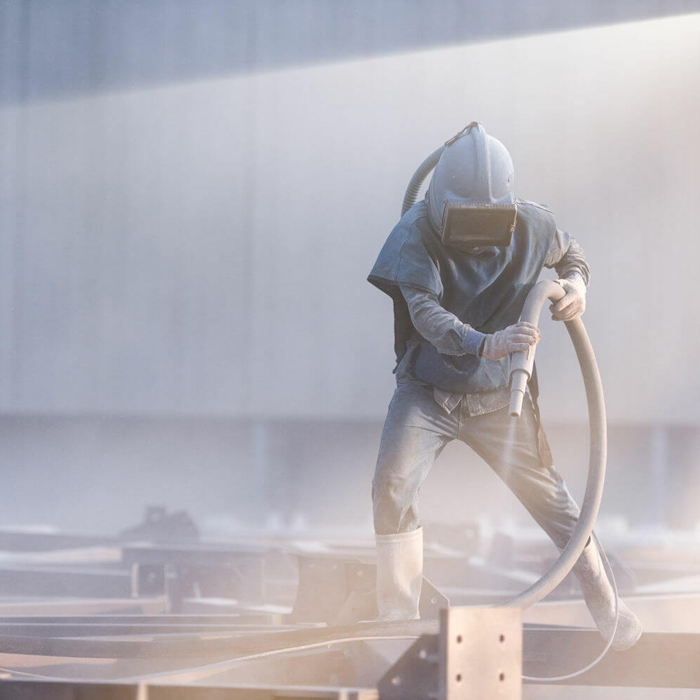
In industrial production, abrasive blasting or shot blasting is the most commonly used rust removal method. High-speed abrasive particles impact the steel surface and remove oxide scale, rust, and contaminants. Most projects require a surface cleanliness level of Sa 2.5. At this level, the steel surface shows a uniform metallic color with no visible rust or scale, and it has a certain degree of roughness. This rough profile significantly improves the mechanical bonding strength between the steel and the coating.
Manual and power tool cleaning is mainly used on construction sites or in areas where mechanical blasting is not feasible. Workers rely on wire brushes, angle grinders, or sanding discs to remove rust. This method has lower efficiency and limited effectiveness. It usually achieves St 2 or St 3 cleanliness grades. Although this approach cannot match blasting quality, it still plays an important role in maintenance work and local repairs.
Coating Systems: The Core Protection Method
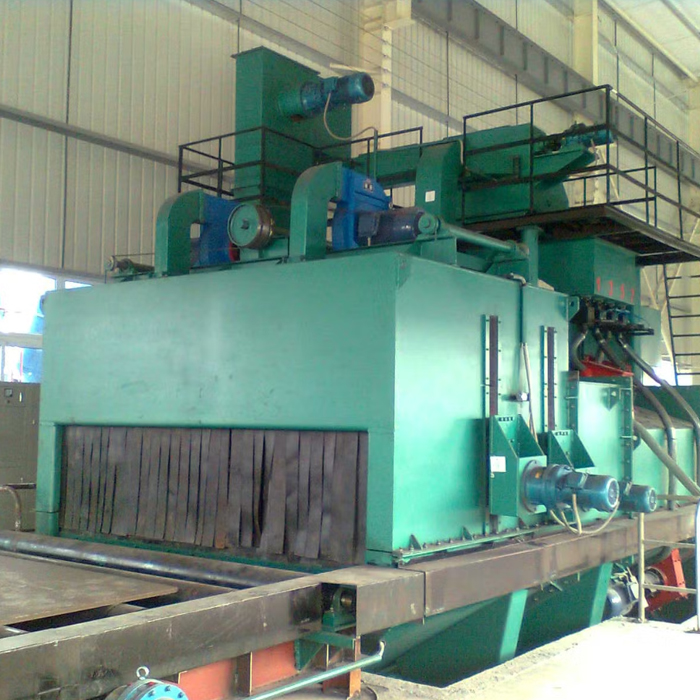
During the manufacturing and maintenance of steel structure components, multi-layer coating systems are commonly applied. These systems extend service life through a combination of physical shielding and chemical protection mechanisms.
A typical coating system consists of a primer, an intermediate coat, and a topcoat. The primer provides the first line of defense against corrosion and ensures strong adhesion to the steel substrate. Epoxy zinc-rich primers are widely used at this stage. The zinc powder inside the coating acts as a sacrificial anode. Through electrochemical action, zinc corrodes preferentially and protects the underlying steel from rust.
The intermediate coat mainly increases coating thickness and enhances barrier performance. Epoxy micaceous iron oxide paint is a common choice. Its plate-like pigment structure effectively blocks the penetration of water vapor and oxygen. This improves coating density and slows down corrosion processes.
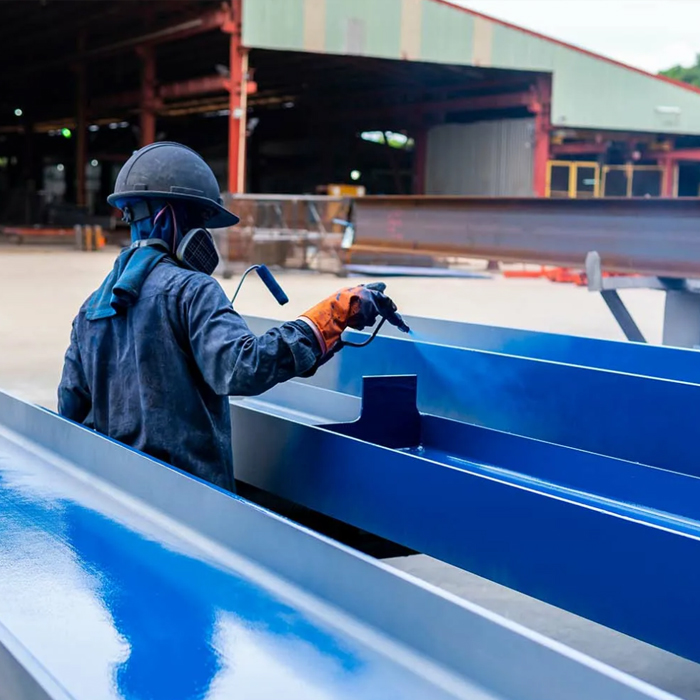
The topcoat focuses on weather resistance and appearance. Exposed steel components often use polyurethane or fluorocarbon topcoats. These materials offer excellent resistance to ultraviolet radiation. They prevent chalking and fading while providing the final architectural color. A high-quality topcoat maintains both protection and aesthetics over many years.
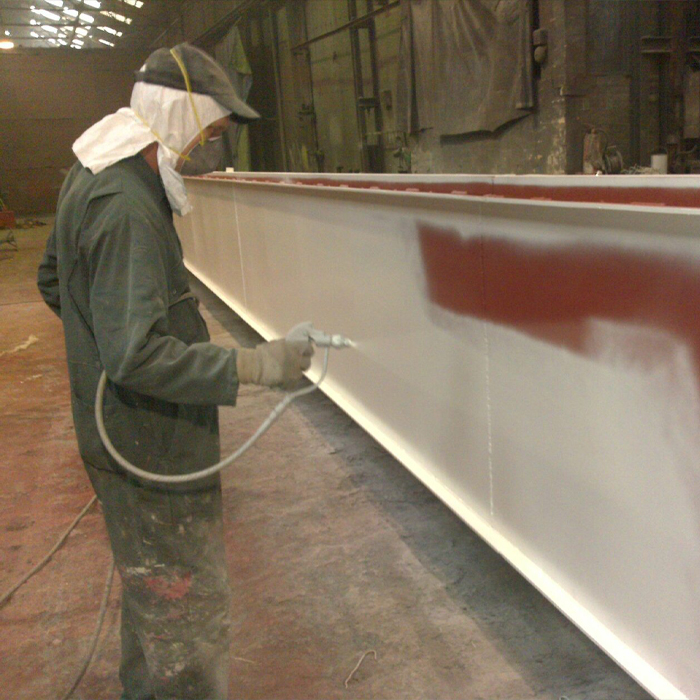
Experienced manufacturers often apply coatings with extra care. For example, Harbin Dongan Building Sheets Company applies multiple spray passes during steel component production to ensure a dry film thickness of about 75 microns. This practice significantly improves corrosion resistance and extends service life.
Special Anti-Corrosion Measures
For structures in extremely harsh environments or locations that are difficult to maintain, advanced protection methods are often required.
Hot-dip galvanizing involves immersing cleaned steel components into molten zinc at approximately 450°C. This process forms a thick and dense zinc-iron alloy layer on the surface. Hot-dip galvanizing provides outstanding protection in coastal areas, salt spray environments, and permanently humid conditions.
Weathering steel represents another effective solution. By adding alloying elements such as copper, chromium, and nickel, the steel forms a dense and stable rust layer on its surface. This layer prevents further corrosion and achieves a “rust-to-protect” effect without additional coatings.
In conclusion, effective rust removal and corrosion protection are essential for the safety, durability, and appearance of steel structures. Proper surface preparation, well-designed coating systems, and suitable special measures together ensure that steel structures perform reliably throughout their intended service life.
Post time: Jan-23-2026